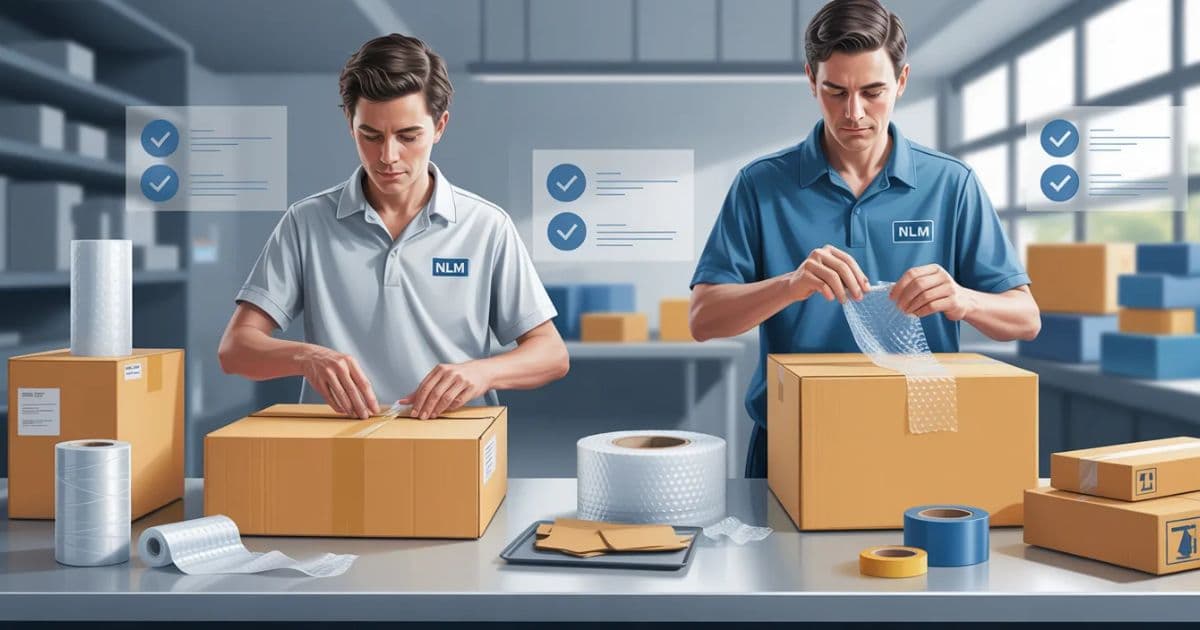
Packing a parcel seems simple. Put the item in a box, tape it up, and send it off. Yet, in reality, poor packaging is one of the biggest reasons parcels arrive damaged, late, or with unexpected fees attached.
It’s frustrating — especially when the product itself was perfect before it left your hands.
The truth is, good packaging is not about using more materials. It’s about using the right materials in the right way. These parcel packing tips are designed to help you protect your shipments, move them faster through courier networks, and avoid the hidden costs that come from incorrect packaging.
Whether you’re a small business shipping daily or an individual sending something important, these practical tips will make a noticeable difference. And if you want expert support across your deliveries, Norwest Logistic Management can help ensure your parcels move safely and efficiently.
Why Proper Packing Matters More Than You Think
Many people underestimate how much a parcel goes through before reaching its destination. During a typical journey, your parcel may:
- Be stacked under heavier boxes
- Slide along conveyor belts
- Be transferred between depots
- Experience vibrations during transport
- Be exposed to temperature changes
If the packaging isn’t strong enough, the contents won’t survive the trip. Following the right parcel packing tips protects your items and keeps shipping costs under control.
The Most Common Packing Mistakes
Before diving into the best practices, it helps to know what usually goes wrong.
1. Using Boxes That Are Too Big
Oversized boxes increase volumetric weight, which can raise shipping costs even if the parcel is light.
2. Using Weak or Damaged Boxes
Reused boxes may look fine but often lose structural strength.
3. Not Enough Cushioning
Items shift inside the box and collide with the walls.
4. Overpacking
Too much filler can also increase weight and cost.
5. Poor Sealing
Weak tape or partial sealing leads to boxes opening in transit.
Essential Parcel Packing Tips for Safe Delivery
These simple steps help you avoid damage, delays, and extra charges.
1. Choose the Right Box Size
Select a box that fits the item snugly with room for padding. Too much empty space causes movement; too little can lead to pressure damage.
2. Use Strong, New Packaging
Fresh corrugated cardboard is far stronger than reused boxes. It holds its shape better and resists crushing.
3. Protect the Item with Cushioning
Use materials like:
- Bubble wrap
- Foam inserts
- Air pillows
- Crumpled paper
Wrap the item fully and fill all gaps.
4. Prevent Movement Inside the Box
After placing the item, gently shake the box. If you feel movement, add more filler.
5. Seal All Edges Properly
Use strong packing tape and seal:
- Top seam
- Bottom seam
- Side edges
This is known as the “H-taping” method and keeps boxes closed.
6. Avoid Excess Packaging
While protection matters, oversized packaging increases dimensional weight and shipping charges. Balance is key.
7. Label Clearly and Correctly
Make sure the address label is:
- Flat
- Secure
- Fully visible
- Waterproof
Smudged or folded labels can delay routing.
8. Use Fragile Stickers Wisely
They help, but they don’t replace proper protection. Always pack as if the box will be handled roughly.
9. Pack Liquids and Powders Carefully
Seal containers in plastic bags and use absorbent material to prevent leaks.
10. Consider the Journey Distance
Long-distance and interstate deliveries require stronger packaging than local shipments.
How Poor Packing Causes Delays and Extra Charges
Incorrect packing doesn’t just risk breakage. It also leads to:
- Manual handling fees
- Repackaging charges
- Delayed processing
- Volumetric weight adjustments
- Refused shipments
- Return-to-sender costs
These hidden charges are easily avoided by following the right parcel packing tips.
Special Packing Tips for Fragile Items
For glass, electronics, or delicate goods:
- Double-box the item
- Add padding between boxes
- Use corner protectors
- Mark orientation arrows
- Avoid loose fillers
Fragile items need extra structure, not just soft padding.
How Businesses Benefit from Better Packing
For businesses, good packaging leads to:
- Fewer damaged goods
- Lower return rates
- Faster processing
- Reduced courier fees
- Happier customers
- Improved brand trust
It’s a small effort with a big payoff.
How Norwest Logistic Management Helps Reduce Packing Issues
At Norwest Logistic Management, we regularly help businesses identify packaging problems that increase costs.
We support clients by:
- Advising on right-size packaging
- Reducing volumetric charges
- Minimising handling fees
- Improving delivery success rates
- Matching parcels with the right courier
- Offering guidance on fragile shipments
Better packing = smoother delivery.
Key Takeaways
- Parcel packing tips help prevent breakage, delays, and hidden shipping fees.
- Oversized boxes increase volumetric weight and cost.
- Proper cushioning prevents internal movement.
- Strong boxes and secure sealing protect contents.
- Clear labels speed up delivery.
- Poor packing can result in manual handling charges and delays.
- Businesses benefit from fewer returns and happier customers.
- Norwest Logistic Management helps optimise packaging and courier selection for safer shipping.
Conclusion
Packing is the first step in a successful delivery. When done correctly, it protects your items, speeds up processing, and prevents unnecessary charges. When done poorly, it causes damage, delays, and frustration — often for reasons that could have been avoided.
By following these parcel packing tips, you can send parcels with confidence, knowing they’re protected and ready for the journey ahead.
And if you’d like expert support for smarter shipping and packing guidance,
👉 partner with Norwest Logistic Management — where every parcel is prepared for success from the start.